Coffee Nursery Establishment and Management Training
Coffee Nursery Establishment and Management Training
Venue: Kuwapani, Gandaki RM-2
Training Dates: 27–28 February, 2025
Organized By: PESHA Project | MPMT | Supported by JICA and AMDA-MINDS Nepal
Overview
Coffee farming is emerging as a key livelihood opportunity for rural communities in Sahid Lakhan and Gandaki Rural Municipalities. Recognizing the critical role of quality seedlings in sustainable coffee cultivation, the PESHA Project organized a comprehensive two-day training on Coffee Nursery Establishment and Management. The training aimed to build the technical capacity of local farmers, reduce reliance on external seedling sources, and promote the development of disease-free, climate-resilient nurseries at the community level.
Objectives
The training was designed to:
- Train farmers in selecting quality mother plants and coffee cherries.
- Demonstrate practical nursery bed preparation and seed sowing techniques.
- Equip participants with knowledge on nursery management and transplanting.
- Introduce benefit-cost analysis to support sound financial planning.
- Empower farmers to independently establish and manage coffee nurseries on their own land.
Key Training Highlights
- Introduction Session
Participants were welcomed and introduced to the PESHA Project, the training objectives, and the importance of nursery establishment for long-term sustainability in coffee farming.
- Field Demonstration: Mother Plant & Cherry Selection
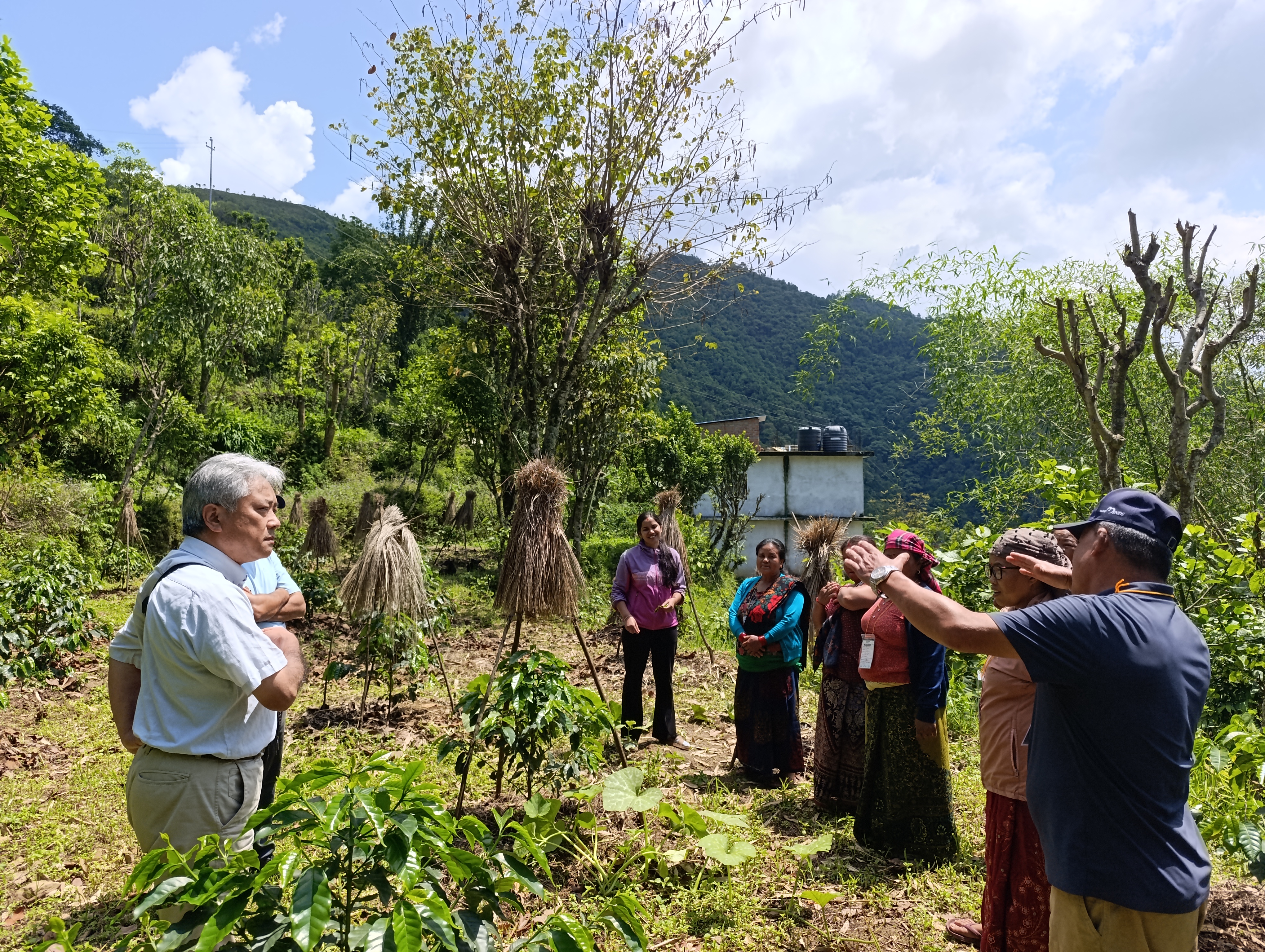
In a hands-on field visit, farmers learned how to identify and select high-yielding, disease-free mother plants (8–15 years old) and ripe cherries with uniform size and color. Participants were guided through the post-harvest cleaning, drying, and storage processes to ensure seed viability.
- Nursery Bed Preparation & Sowing
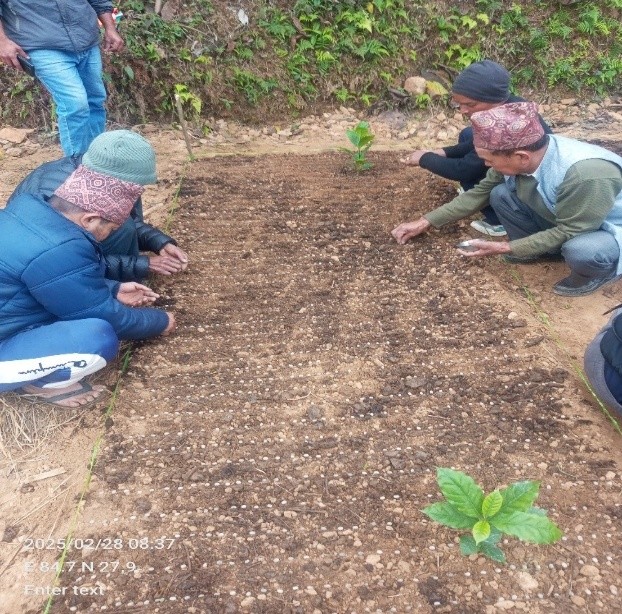
Farmers received practical demonstrations on preparing raised nursery beds with optimal soil composition (forest soil, cow dung, sand). Seeds were sown at proper depth and spacing, followed by covering with straw to retain moisture.
- Nursery Management
Proper irrigation, pest management using local pesticides, and daily monitoring were emphasized to ensure healthy seedling development. Farmers learned that coffee seeds begin germinating after 45 days under ideal conditions.
- Seedling Transplanting
Participants practiced transplanting techniques, moving germinated seedlings into polybags (7"x12") to support healthy root development.
- Benefit-Cost Analysis
A detailed financial breakdown helped participants understand the economics of nursery management. The training demonstrated that nursery establishment yields a Benefit-Cost Ratio of 2.47, indicating a highly profitable venture with a net benefit of NPR 53,550 based on government sapling rates.
Key Outcomes
- Participants gained confidence in establishing and managing coffee nurseries independently.
- Farmers learned practical techniques to produce quality seedlings locally, reducing input costs.
- The training strengthened financial literacy and decision-making among coffee growers.
- A foundation was set for building self-sufficient nursery networks in the region.
Challenges Faced:
- Limited time for hands-on sessions.
- Difficult travel conditions due to remote locations.
- Requests for more advanced, follow-up trainings.
Participants
A total of 10 farmers from Gandaki and Sahid Lakhan RMs attended the training. Farmers represented various clusters and were supported by Social Mobilizers from their respective wards.
Conclusion
This training under the PESHA Project marks a significant step toward strengthening community-based coffee production systems in Gandaki and Sahid Lakhan. With the right knowledge, hands-on experience, and technical support, local farmers are now better prepared to lead the way in quality seedling production laying the foundation for a more resilient and profitable coffee value chain.
Recent News and Events
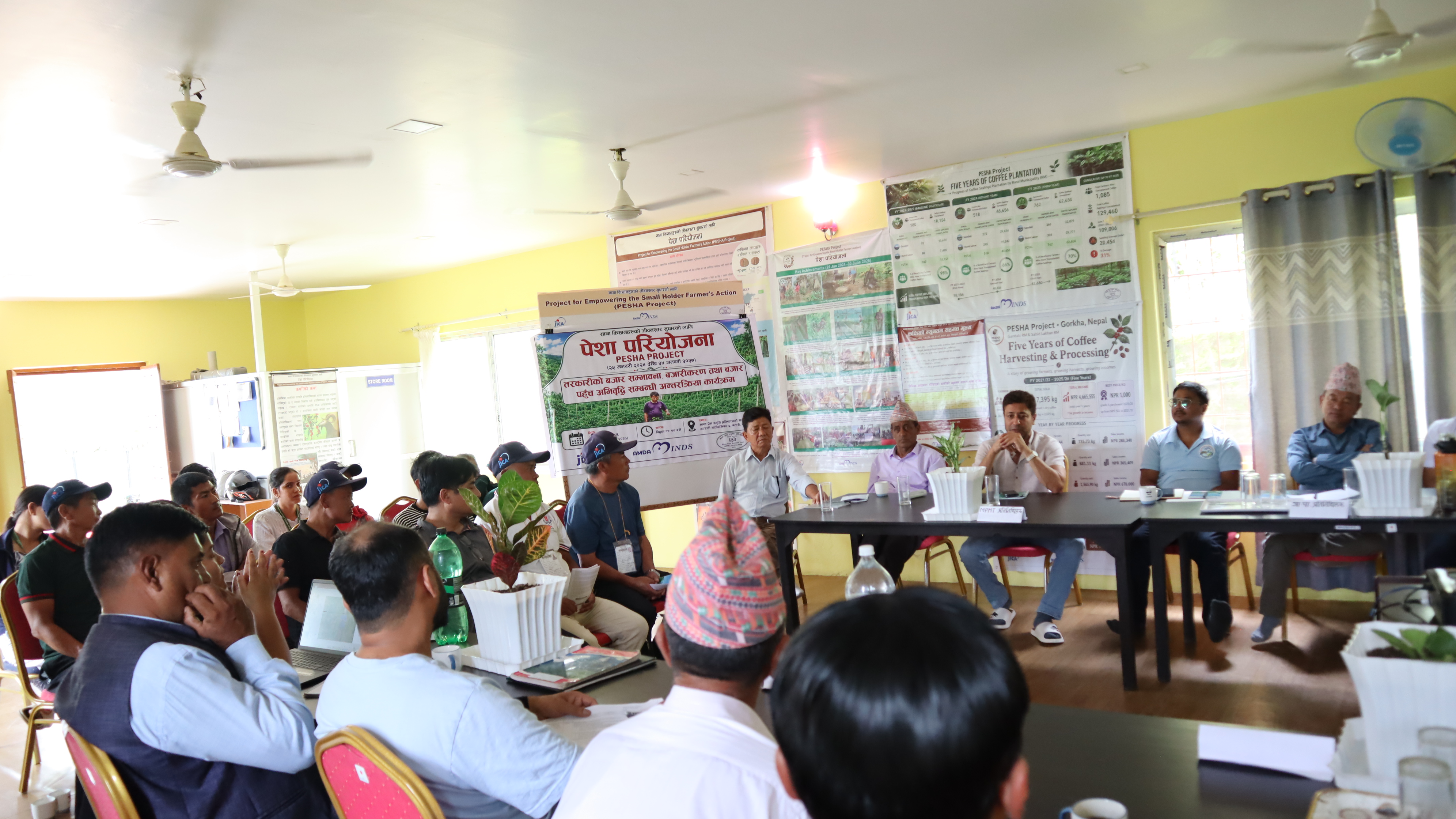
Market Linkages in Action: Enhancing Vegetable Market Potential, Marketing, and Market Access
2026-08-04
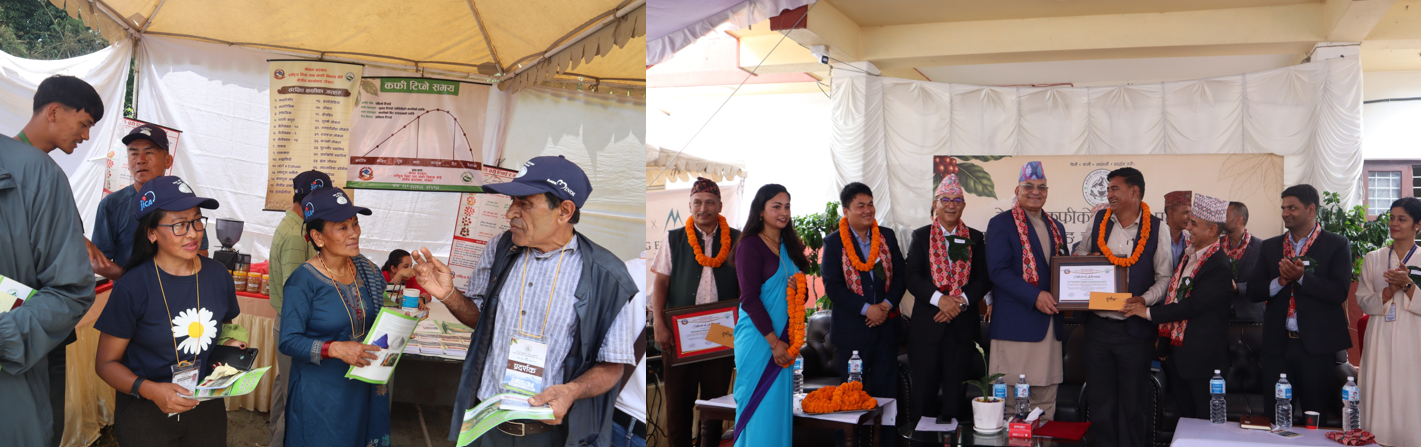
“Gorkha's Coffee Triumphs on the National Stage: Secures 3rd Place at the National Coffee Cupping Championship”
2026-07-08
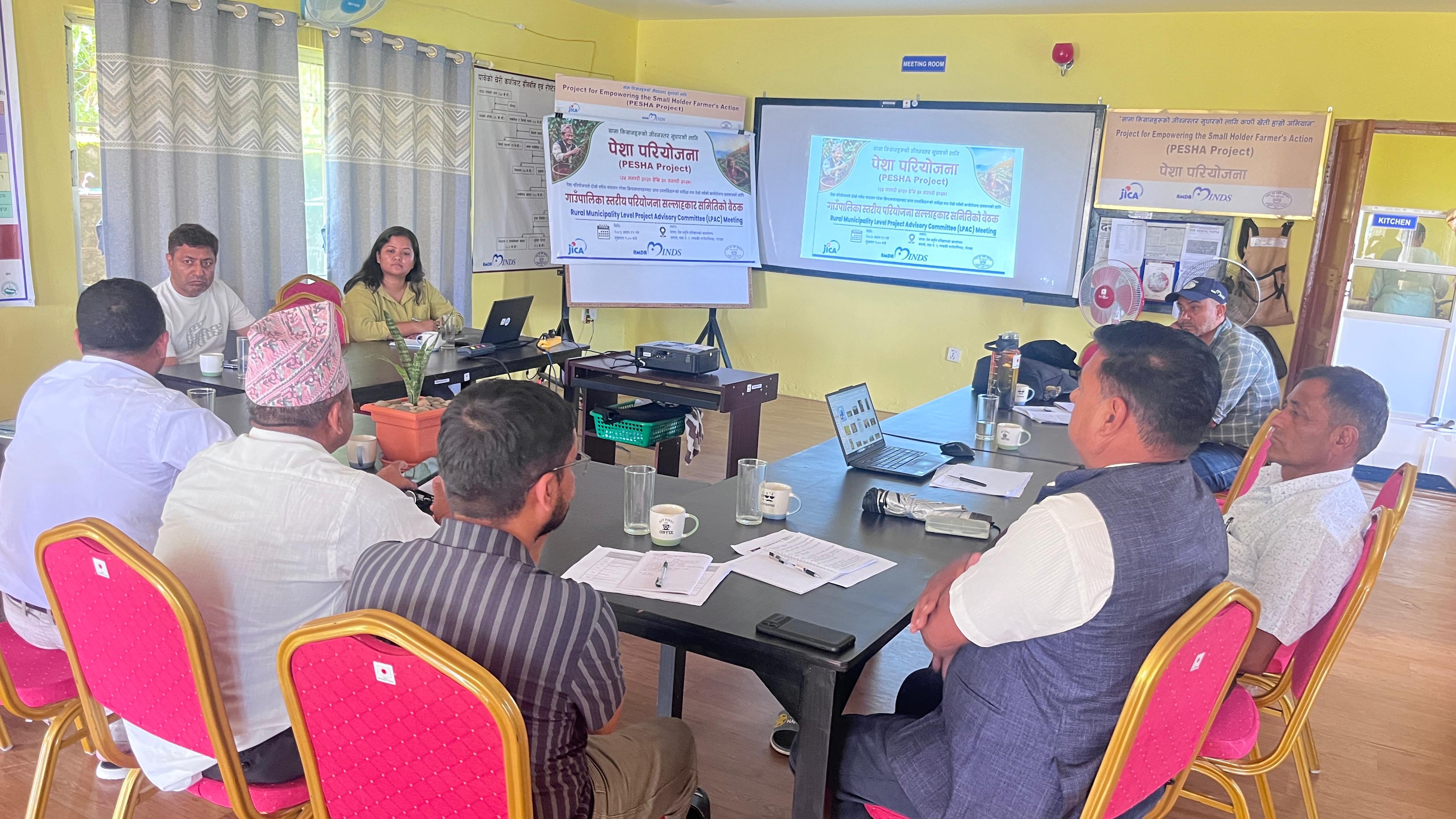
“Local Level Project Advisory Committee (LPAC) Meeting: Advancing Sustainable Agriculture and Local Partnerships”
2026-07-07
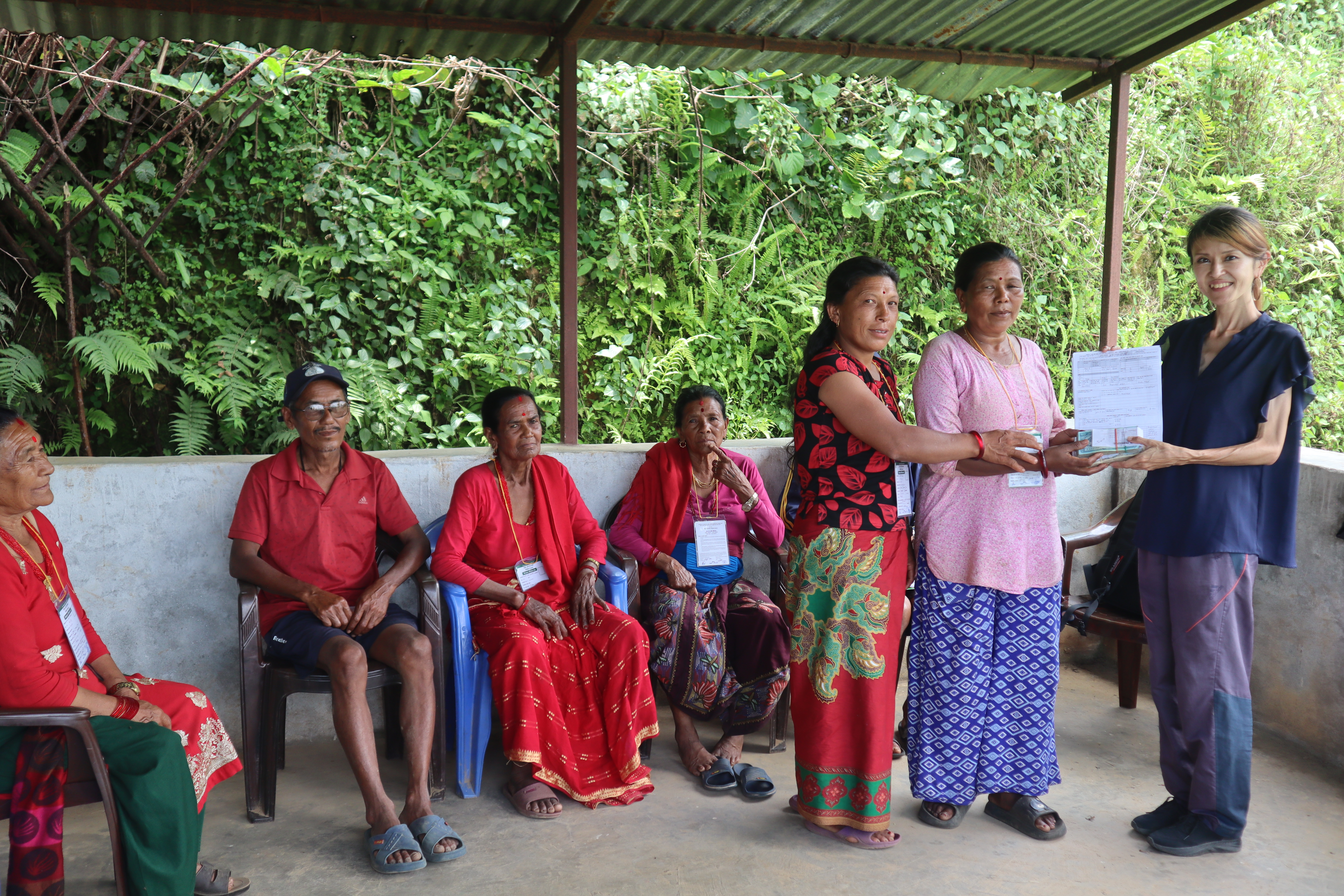
“Empowering Farmers Through Fair Coffee Trade: Collective Marketing, Transparent Payouts, Stronger Communities”
2026-06-28