Market Linkages in Action: Enhancing Vegetable Market Potential, Marketing, and Market Access
Overview:
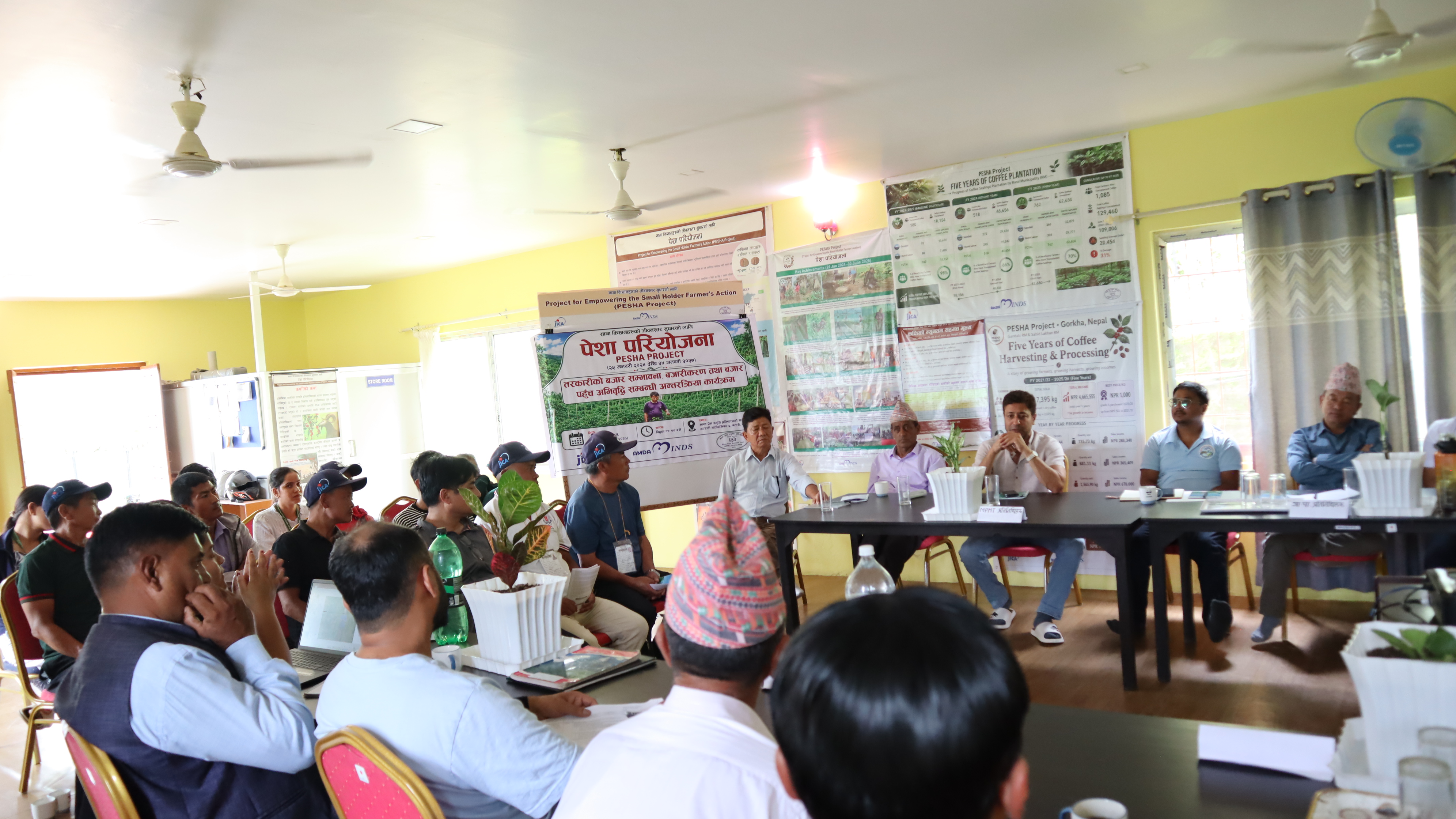
On 31 July 2026, MPMT under the PESHA Project organized an interaction programme on "Vegetable Market Potential, Marketing, and Market Access Enhancement" to strengthen market linkages for locally produced vegetables. The programme brought together farmers, traders, cooperatives, market management committees, and local government representatives onto a common platform, creating space for a direct conversation between those who grow vegetables and those who buy them.
Objectives:
- Assess and improve market access/opportunities for locally produced vegetables, with particular focus on Akbare chilli, in line for the harvest.
- Promote fair and transparent pricing between farmers and buyers.
- Establish the basis for a sustainable marketing system.
Participation:
A total of 34 participants attended the interaction programme, encompassing representatives from the local government, Maya Prem Smriti Pratisthan, Partner organization (AMDA-MINDS), local traders & merchants, beneficiary farmers, and the project staffs.
Key Highlights:
The interaction covered six thematic areas linking vegetable production to market access:
- Production status and supply planning: Reviewed the current production status of Akbare chilli and other vegetables, including available volumes and expected supply, highlighting the value of a staggered crop calendar and off-season production as a way of avoiding the price collapse that follows when all farmers harvest at the same time.
- Market potential assessment: Several market channels were identified and assessed, such as Local haat bazaars (Ramshah Ghat and the Aanbukhaireni Friday haat bazaar), Hotels and restaurants along the tourism corridor, Urban wholesale mandis (Gorkha, Fishling, Benighat, Muglin & Manakamana), Organized collective sales through the cooperative.
- Aggregation and marketing arrangements: Establishment of a collection centre followed by a responsible body to operate it, along with grading standards and crate packaging. Further, discussed on transport and cold storage arrangements with cost-sharing between farmers and buyers, and the scope for value addition through pickles, dried chilli, and local branding.
- Pricing and transaction systems: Worked on base price setting, the range of seasonal fluctuation considered acceptable to both sides, and mechanisms for price transparency. Contract farming terms were discussed in detail with quantity, price, duration, and breach provisions, together with payment arrangements including timelines and advance payment.
- Stakeholder roles: Clarification among farmers, cooperatives, traders, market management committees, and the Rural Municipality Agriculture Development Section, with particular attention given to post-project sustainability and the cooperative's role in independently operating the marketing system.
- Core constraints: Four major constraints were identified; Limited market access, Price instability driven by intermediary margins, Absence of cold storage resulting in post-harvest loss, & Lack of reliable market price information reaching farmers.
Way Forward:
- Prepare a cluster-wise crop calendar with staggered planting schedules to regulate supply volume across the season.
- Consolidate expected production volumes by cluster and share the supply projection with interested traders.
- Identify sites for the collection centre and agree on investment, operating responsibility, and management.
- Agree on grading standards, crate specifications, and weighing practice with participating traders.
- Draft a model contract farming agreement covering quantity, price, duration, payment terms, and breach provisions.
- Establish a mechanism for regular price information sharing with farmer groups.
- Conduct follow-up meetings with hotels and urban mandi buyers to confirm demand volume and quality requirements.
- Assess the feasibility of value addition like pickle and dried chilli and local branding for Akbare chilli.
The programme established a shared understanding among producers, buyers, and local authorities on how vegetable marketing in the area can be organized more fairly and more reliably. MPMT will continue to follow up on the agreed actions with participating farmer groups, traders, and the Rural Municipality.
Recent News and Events
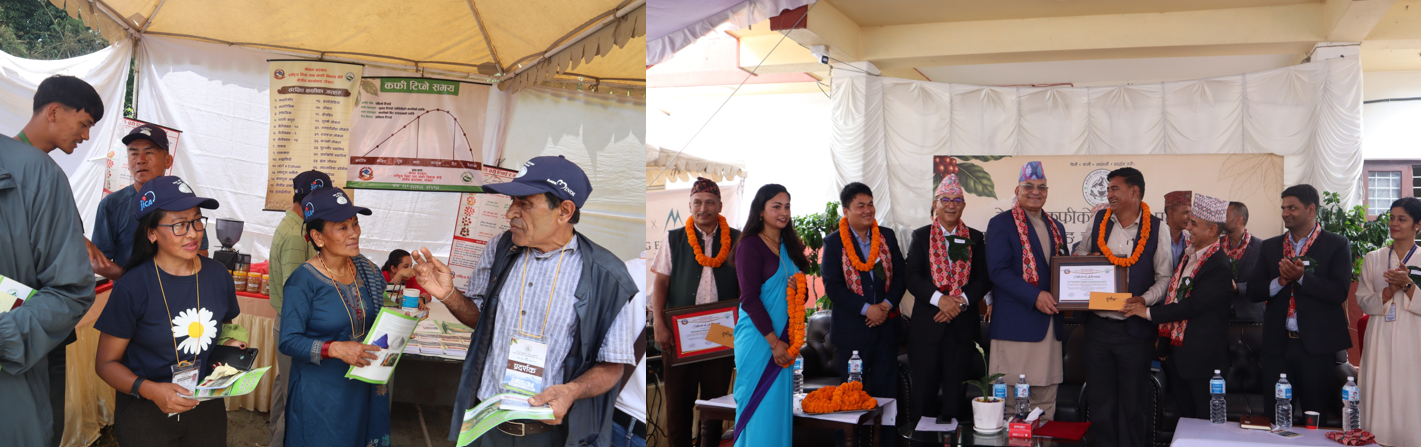
“Gorkha's Coffee Triumphs on the National Stage: Secures 3rd Place at the National Coffee Cupping Championship”
2026-07-08
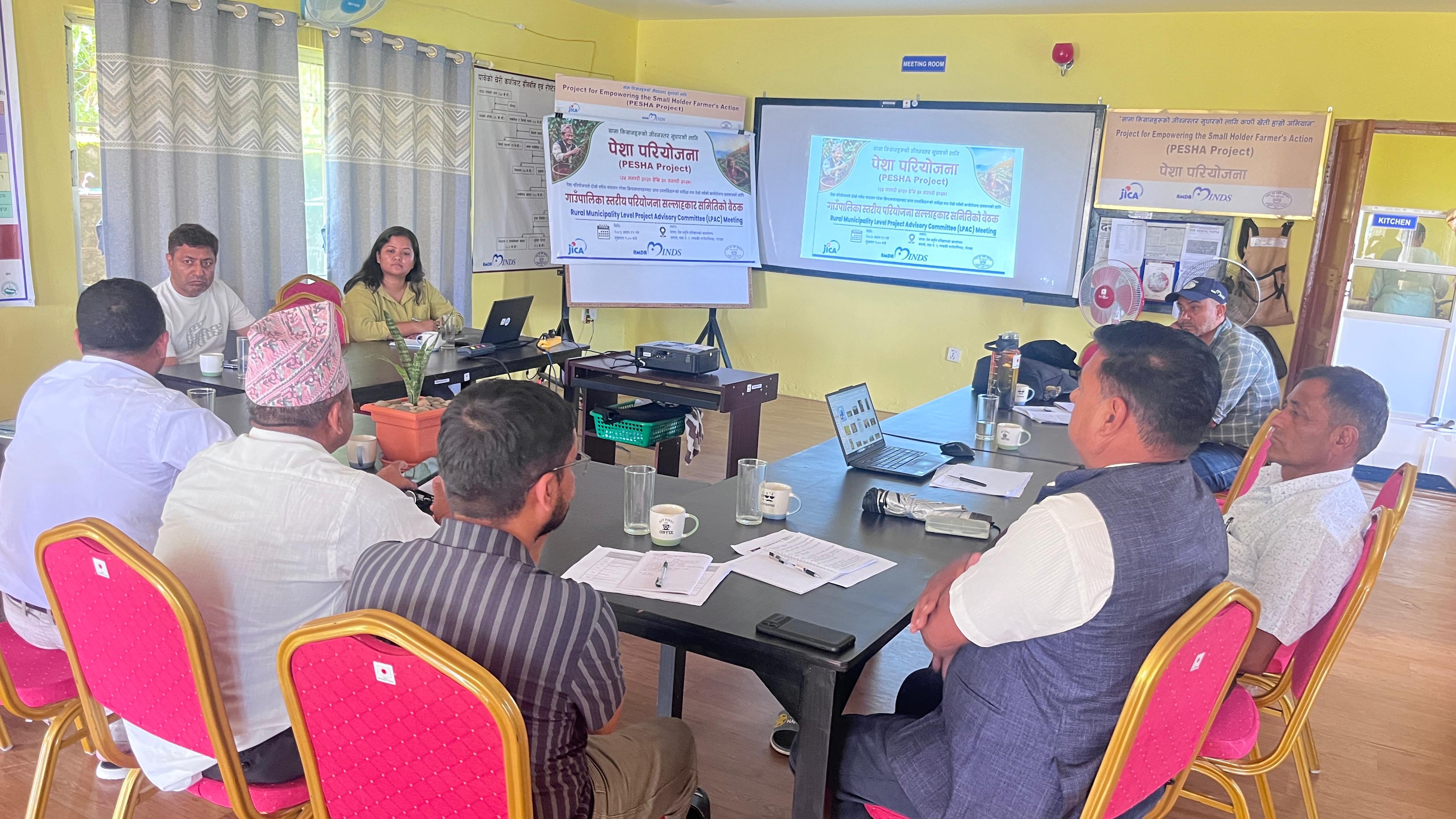
“Local Level Project Advisory Committee (LPAC) Meeting: Advancing Sustainable Agriculture and Local Partnerships”
2026-07-07
“Empowering Farmers Through Fair Coffee Trade: Collective Marketing, Transparent Payouts, Stronger Communities”
2026-06-28
Strengthening Collaboration: AMDA MINDS HQ Representative Visit
2026-06-25