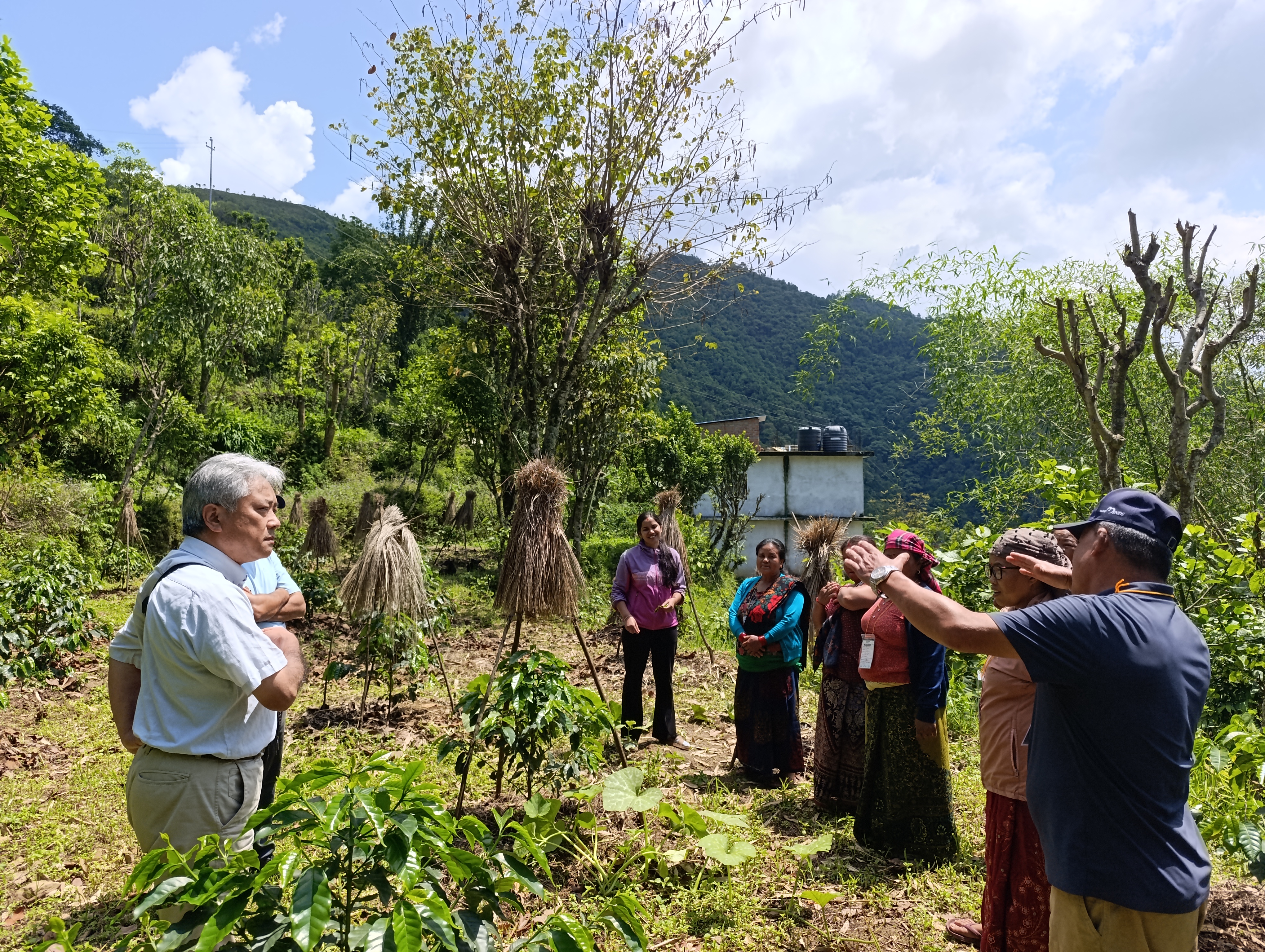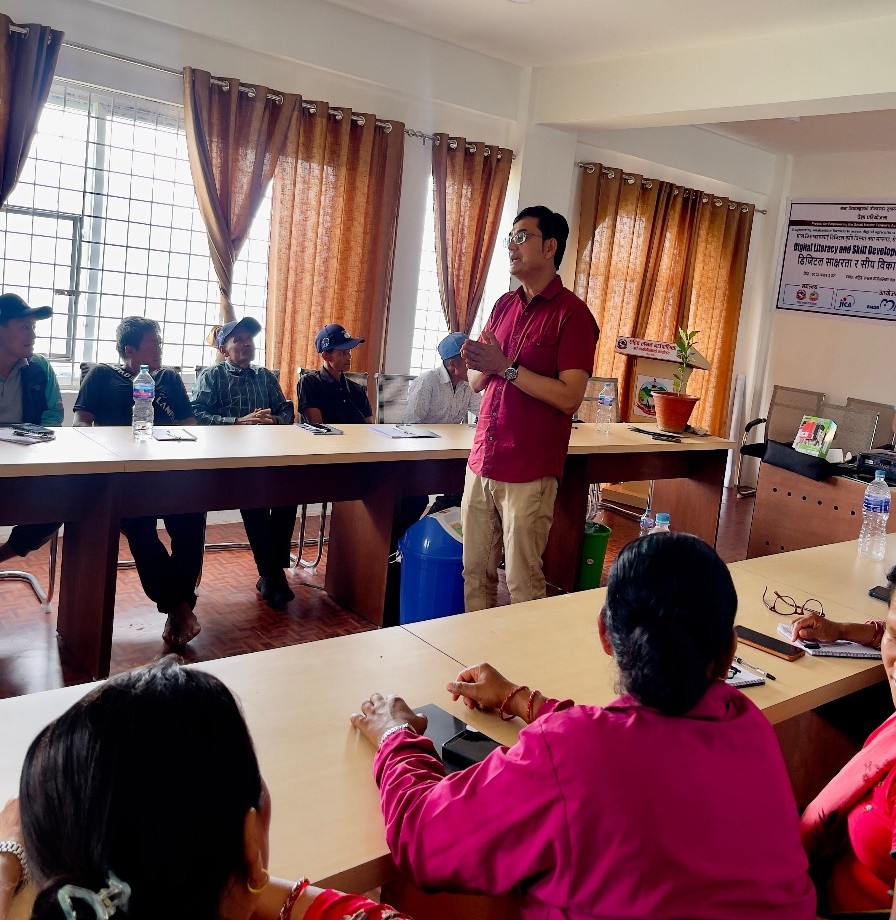
Digital Literacy and Skill Development Workshop
1. Introduction
With the growing role of digital technology in agriculture, enhancing digital literacy among smallholder farmers has become essential. Despite increasing access to mobile devices and internet connectivity, many farmers in rural areas of Nepal lack the necessary skills to effectively utilize digital platforms, applications, and online advisory services. This limits their ability to make informed decisions regarding crop production, pest and disease management, weather forecasting, and market linkages.
To address this gap, a Digital Literacy and Skill Development Workshop was organized under the PESHA Project (Project for Empowering the Small-Holder Farmers' Action) implemented by Maya Prem Memorial Trust (MPMT) in coordination with JICA and AMDA-MINDS Nepal. PESHA aims to empower rural communities by supporting coffee and vegetable farmers through commercial farming, climate-resilient agriculture, and capacity building.
The training sessions were conducted on 2nd and 3rd Ashad 2082 (16th and 17th June 2025) in Sahid Lakhan RM and Gandaki RM respectively, targeting Experienced Leader Farmers with limited digital exposure.
On 16th of June in Sahid Lakhan RM, the total of 13 representative and 33 ELFs from Sahid Lakhan RM have attended the workshop. Likewise on 17th of June in Gandaki RM the total of 3 representatives and 27 ELFs have Participated in the workshop.
The workshop focused on practical learning through the Connect Kisan platform, enabling participants to explore features such as real-time market prices, localized weather updates, soil analysis tools, pest control advice, and an AI-driven voice advisory system.
This initiative was designed to not only bridge the digital divide in rural farming communities but also to promote smarter, more sustainable, and market-oriented agricultural practices. Through enhanced digital literacy, farmers are now better positioned to access relevant information, adapt to changing conditions, and improve their productivity and livelihoods.
- Objectives
- To understand the importance and benefits of digital agricultural extension and advisory services.
- To identify and use relevant digital tools (e.g., mobile apps, SMS services, helplines, online platforms).
- To improve their digital literacy, including using smartphones and basic internet browsing.
- To connect with government and non-government agricultural services digitally.
- To create individual action plans to integrate digital tools into their farming practices.
- Program Details
Date, Venue
- Dates:
- Sahid Lakhan Rural Municipality (RM): 16th June 2025
- Gandaki Rural Municipality (RM): 17th June 2025
- Venue:
- Sahid Lakhan RM Hall
- Gandaki RM-2, Hall
- Key Topics Covered
Session 1: Sharing Experience: Exposure Visit, ELFs Role in the Community, RMs support and contribution.
During the workshop, two participating farmers two each from Gandaki and Shahid Lakhan Rural Municipalities shared their personal experiences and insights gained through their involvement in the PESHA Project.
They highlighted the impact of exposure visits facilitated by the project, explaining how these learning exchanges broadened their understanding of innovative agricultural practices, and sustainable farming techniques. The farmers emphasized that these visits not only enhanced their individual capacities but also fostered positive behavioral and knowledge-based changes within their communities.
Furthermore, they spoke about the evolving roles and responsibilities of Experienced Lead Farmers (ELFs). As ELFs have been actively supporting group mobilization, delivering technical guidance, and facilitating access to extension services. The sharing underscored how ELFs are emerging as local leaders steadily building their leadership capabilities and contributing to the overall empowerment of fellow farmers.
This session of peer experiences sharing served as a powerful motivation for other participants, reinforcing the value of collaboration, learning, and leadership at the grassroots level.
Session 2: Brief introduction and outline of the workshop agenda.
The Digital Literacy and Skill Development Workshop was organized by the PESHA Project to help smallholder farmers use mobile-based tools for better farming decisions. The workshop introduced the Connect Kisan app, focusing on key features like market prices, weather updates, pest management, and voice advisory services. The goal was to make ELFs more confident and capable in using digital technology for agriculture.
Session 3: Digital Interactive Sessions.
A key part of the workshop was the Digital Interactive Sessions, where ELFs engaged directly with the Connect Kisan mobile application through guided demonstrations and hands-on practice.
Facilitators used simple language, visual aids, and real-life examples to help participants understand the app's features. Experienced Lead Farmers (ELFs)were encouraged to actively explore the app using their own mobile phones.
Key interactive elements included:
- Live Navigation of the Connect Kisan app interface.
- Step-by-step guidance on checking market prices, weather forecasts, soil nutrient status and pest control measures.
- Demonstration of the AI Voice Advisory System, enabling users to access agricultural tips in audio format
- Group-based practice where farmers helped each other and clarified doubts
- Instant feedback collection, allowing facilitators to adapt their approach and ensure better understanding.
Session 4: Annual Calendar of Activities Involving Experienced Leader Farmers (ELFs)
This session was dedicated to presenting the Annual Calendar of Activities specifically designed to enhance the capacity and effectiveness of Experienced Leader Farmers (ELFs) throughout the year. The calendar outlines structured training events, support mechanisms, and seasonal tasks to help ELFs perform their roles as local resource persons more effectively.
- Findings and Results
The training produced several key findings:
Digital Adoption:
- Farmers gained confidence in using smartphones for agricultural services.
- AI voice advisory system was particularly appreciated by older and less literate participants.
Feature Requests and App Limitations:
- Need for localized pesticide trade names.
- Compatibility issues with older Android phones.
- Demand for crop-specific alerts (e.g., coffee).
- Suggestions for simplified password rules and user-friendly interfaces.
Knowledge Gained:
- Improved understanding of market price access, weather updates, and soil testing.
- Awareness of biological pest control and digital safety practices.
- Recognition of digital tools for better farm management.
- Discussion
The training successfully introduced digital tools to farmers, bridging the gap between traditional practices and emerging technologies. Participation from women and elderly farmers showed that with the right support, even low-literacy users can engage with technology.
The integration of AI voice advisory proved to be a game changer, offering real-time advice in a user-friendly format. The practical feedback received directly informed suggestions for improving the Connect Kisan platform to meet the diverse needs of Nepali farmers.
However, limitations such as low internet connectivity and the need for basic smartphone training in some cases highlighted areas for continued support and future interventions.
- Conclusion
This training marked a significant step in empowering farmers through digital agriculture. Participants not only learned to navigate the Connect Kisan platform but also contributed to shaping it through valuable insights. Their engagement reflected the potential of inclusive digital solutions to transform farming practices in rural Nepal.
- Recommendations
App Development & Feature Upgrades:
- Update pesticide data with local trade names.
- Add weather forecasts with cloud/rain indicators.
- Simplify password rules.
- Introduce crop-specific alerts (e.g., for coffee).
- Include feedback/comment tools and farmer profile photos.
- Enable AI voice assistant in local dialects.
Learning Tools & Engagement:
- Integrate NARC weather updates.
- Include organic pest control information with images.
- Content creation by expert.
- Add Kisan Diary for tracking expenses and inputs.
- Offer digital usage report cards.
- Enable CTEVT skill certification through the app.
Sustainability Measures:
- Conduct follow-up trainings.
- Develop community-based digital support groups.
Recent News and Events
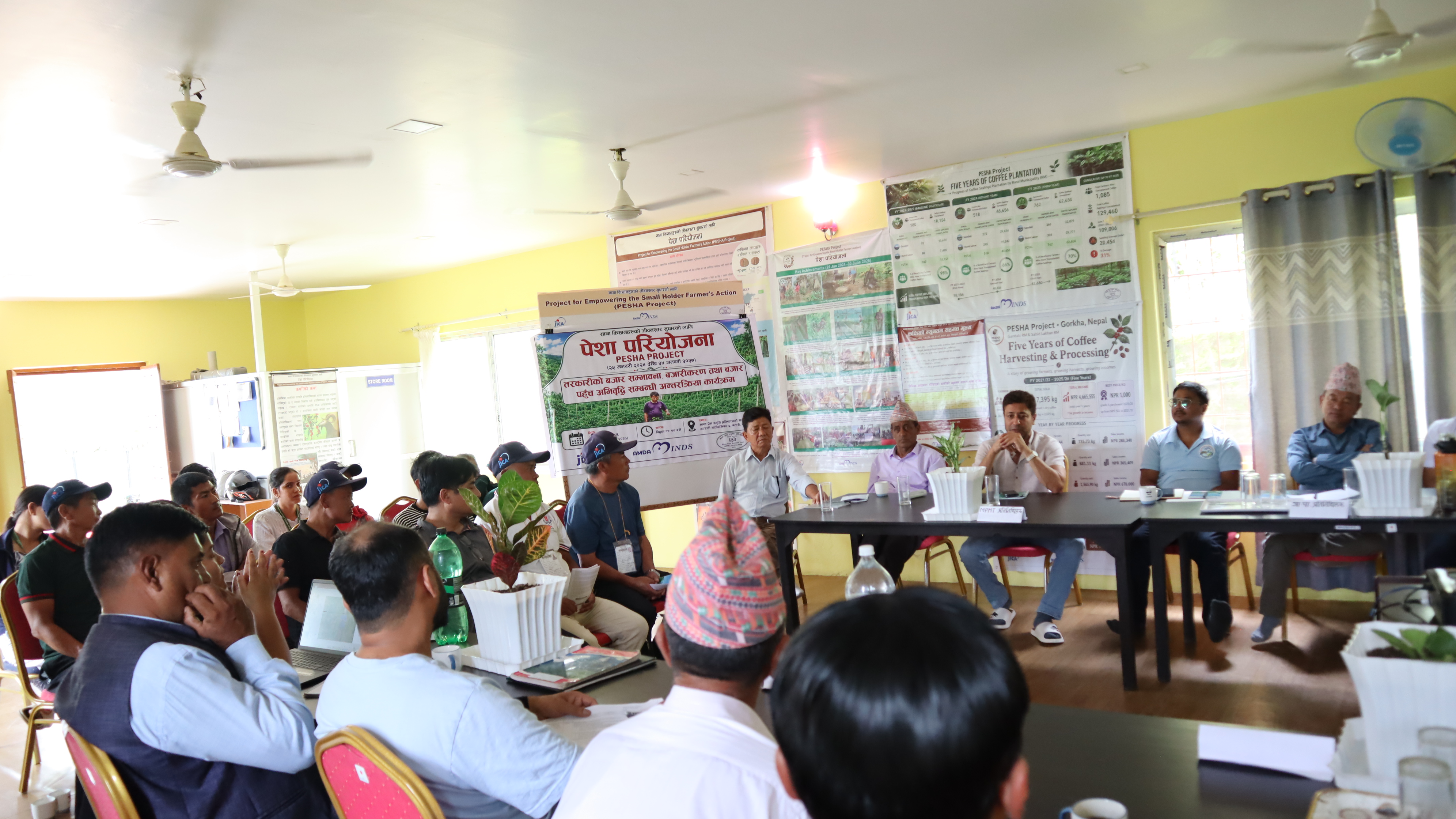
Market Linkages in Action: Enhancing Vegetable Market Potential, Marketing, and Market Access
2026-08-04
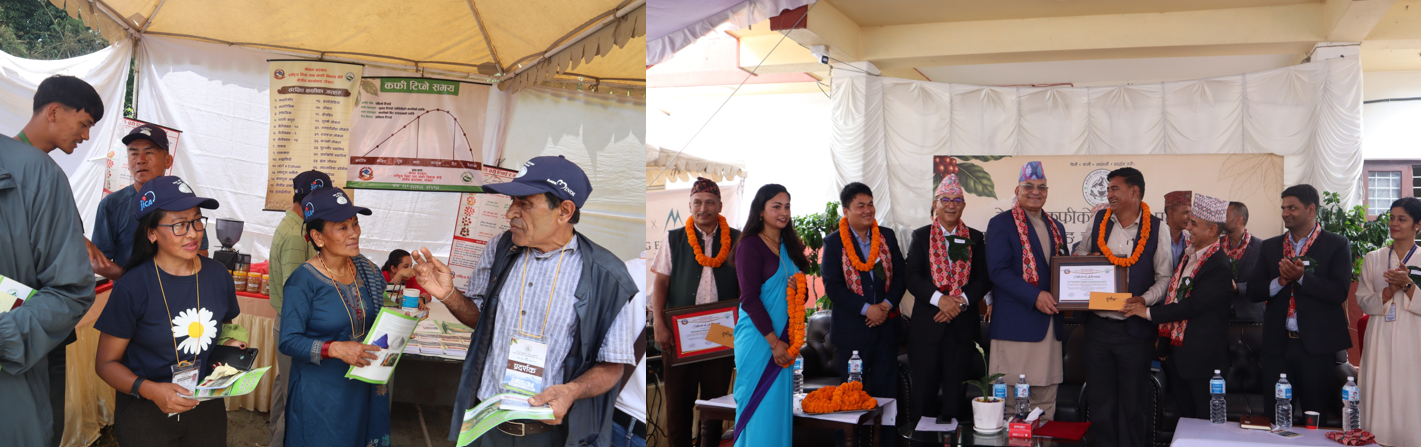
“Gorkha's Coffee Triumphs on the National Stage: Secures 3rd Place at the National Coffee Cupping Championship”
2026-07-08
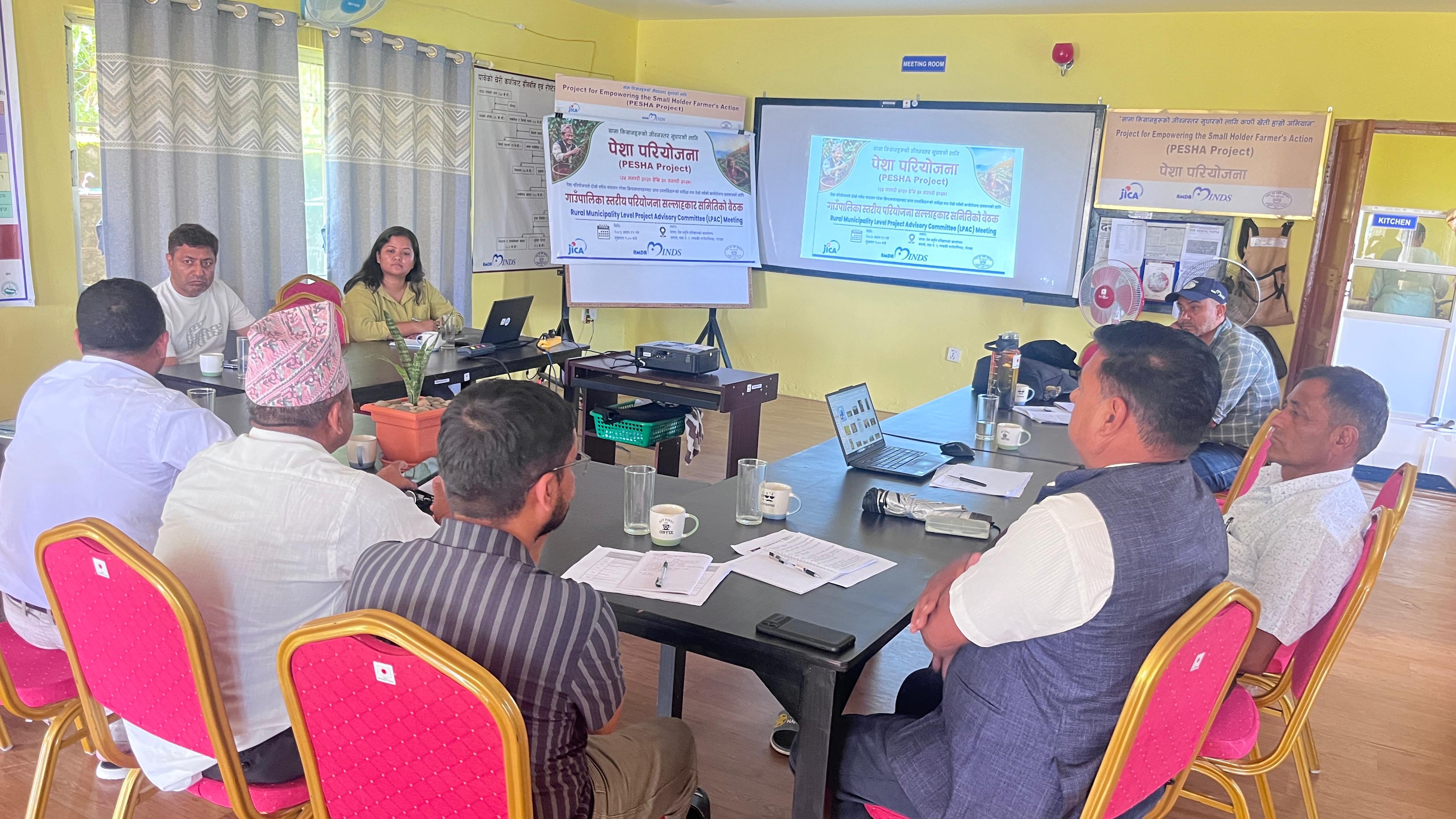
“Local Level Project Advisory Committee (LPAC) Meeting: Advancing Sustainable Agriculture and Local Partnerships”
2026-07-07
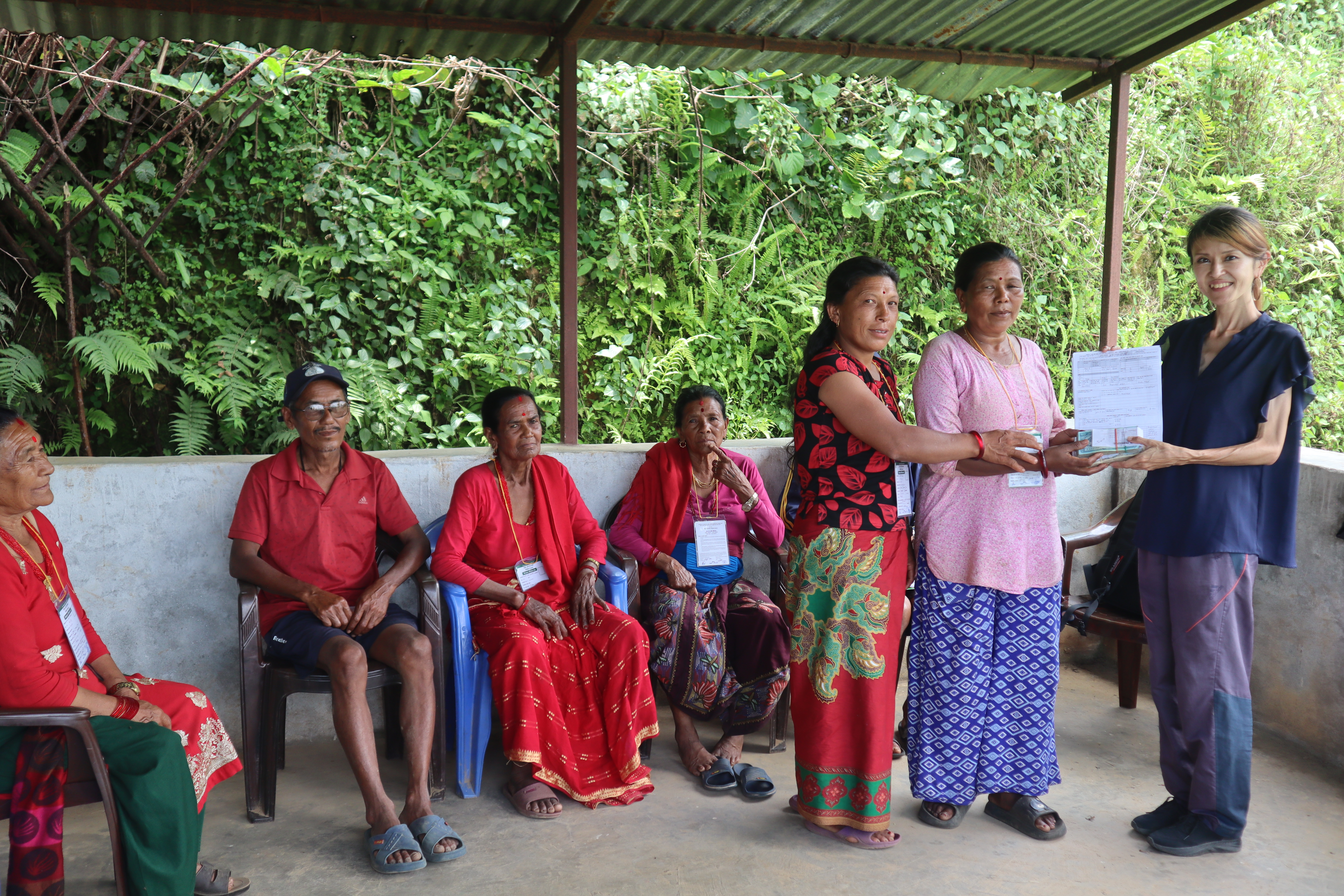
“Empowering Farmers Through Fair Coffee Trade: Collective Marketing, Transparent Payouts, Stronger Communities”
2026-06-28